Everyone asks this question. And everyone gets the same answer.
“Well, spring is beautiful but there’s rain risk. Fall is a little more reliable. October is really popular. Both book up fast. Just go with your gut!”
Which is… technically true. And also completely useless if you’re actually trying to make this decision.
So here’s what I actually think, as someone who has photographed both seasons across Central Texas for years, who has stood in an April storm waiting to see if the sky would clear, and who has watched a couple cry during fall golden hour because the light was just that good.
This isn’t a weather decision. It’s a visual identity decision.
Here’s the thing most articles about Texas wedding seasons miss entirely: the season you choose doesn’t just affect whether your guests are comfortable. It determines what your photographs look like. Forever.
Spring and fall don’t photograph the same. Not even close. And I’m not talking about bluebonnets vs. fall leaves. I’m talking about the quality, color, and feel of the light itself and what that does to every single image in your gallery.
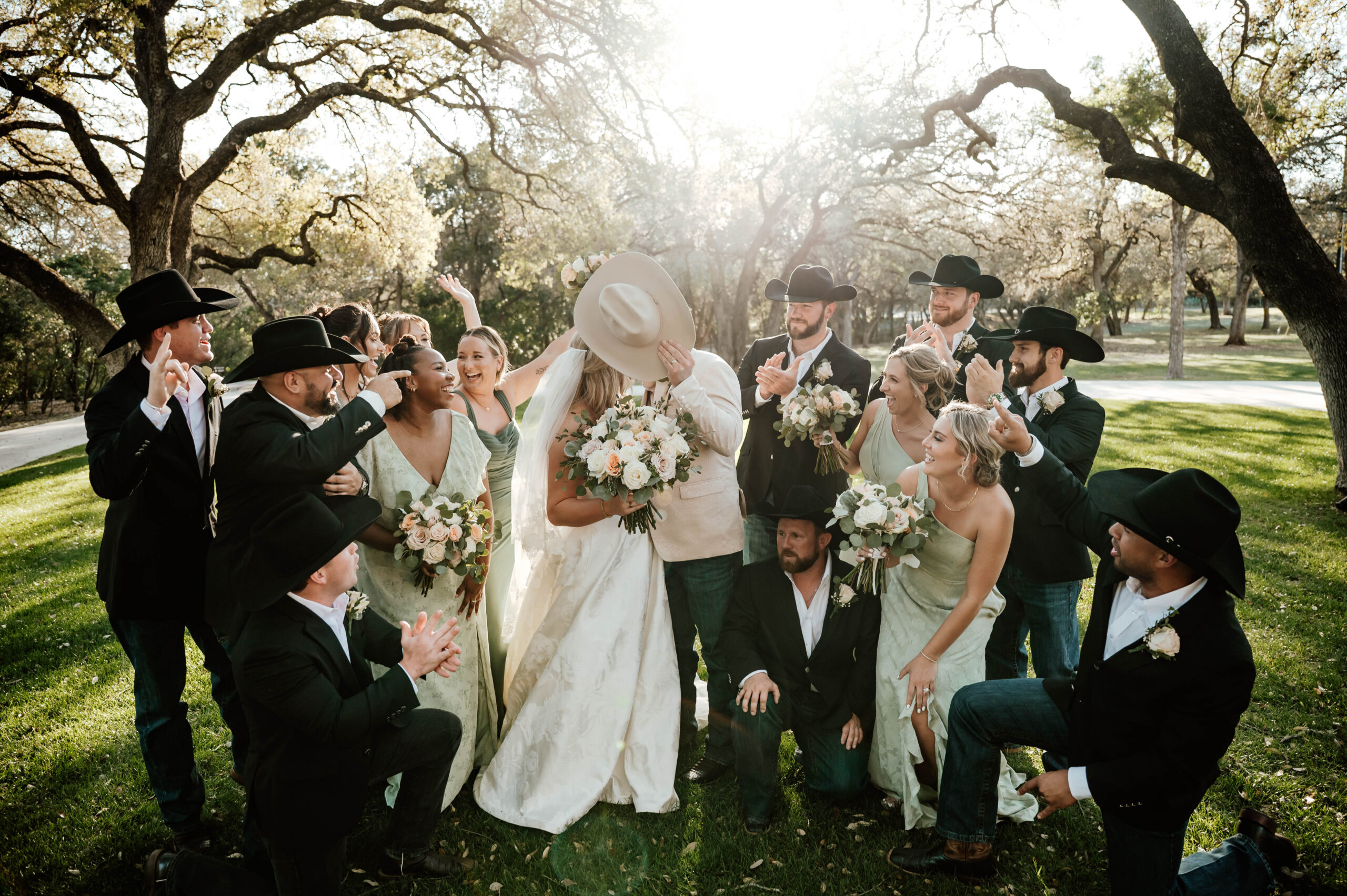
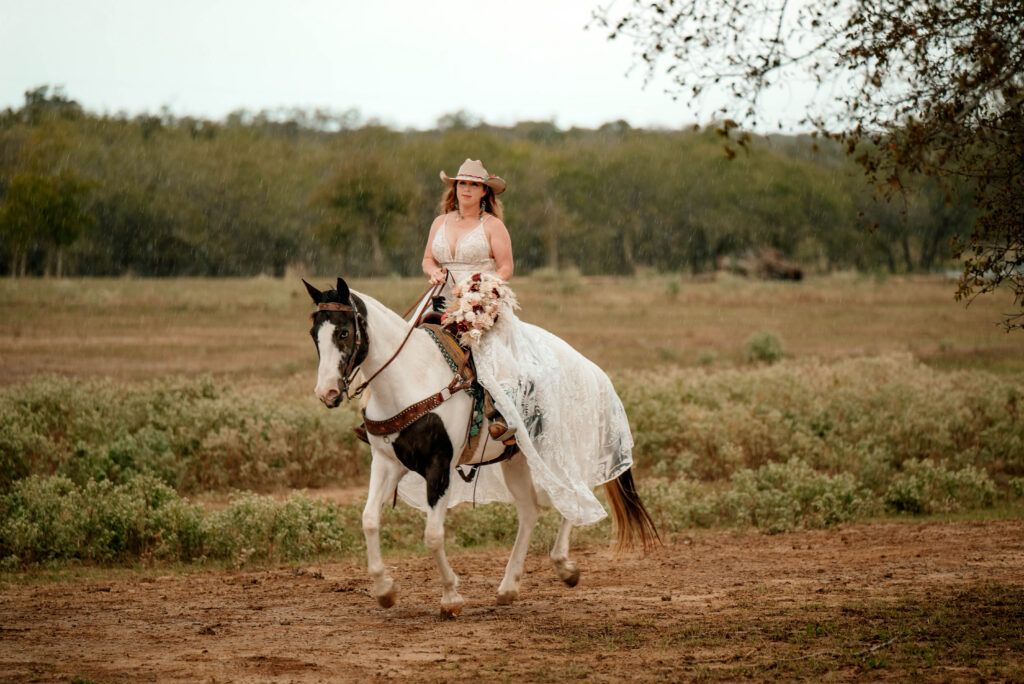
Spring light is soft. Airy. It diffuses through new green foliage and creates this bright, almost ethereal quality. Spring galleries tend to feel fresh and romantic — pastel skies, soft shadows, light that wraps rather than sculpts. If you’ve ever scrolled through a wedding gallery and thought “it looks like a dream,” that was probably a spring wedding.
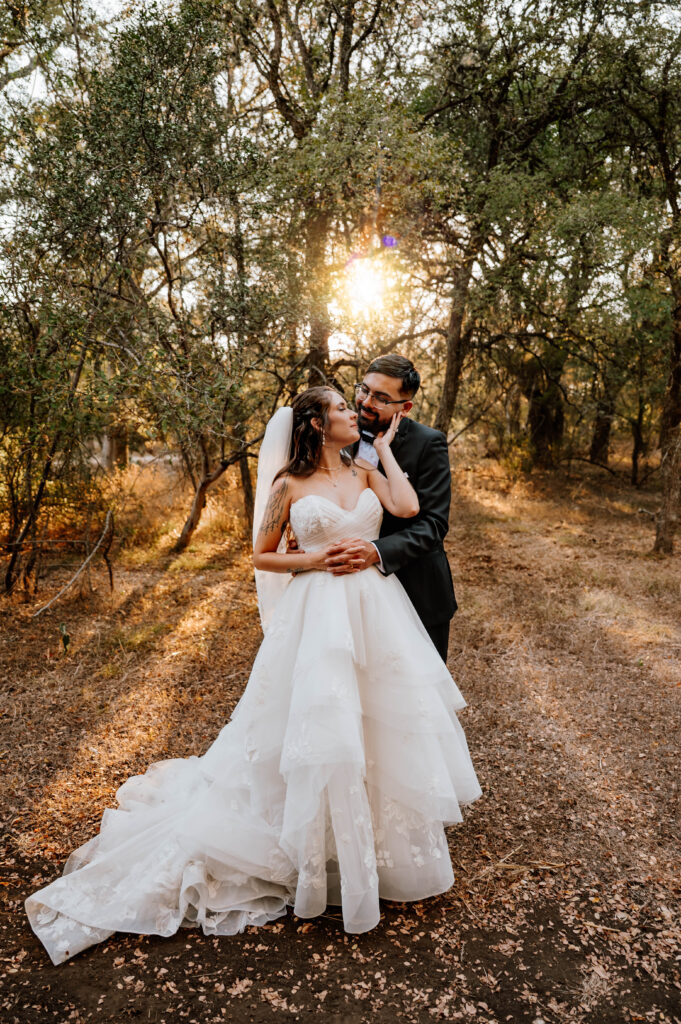
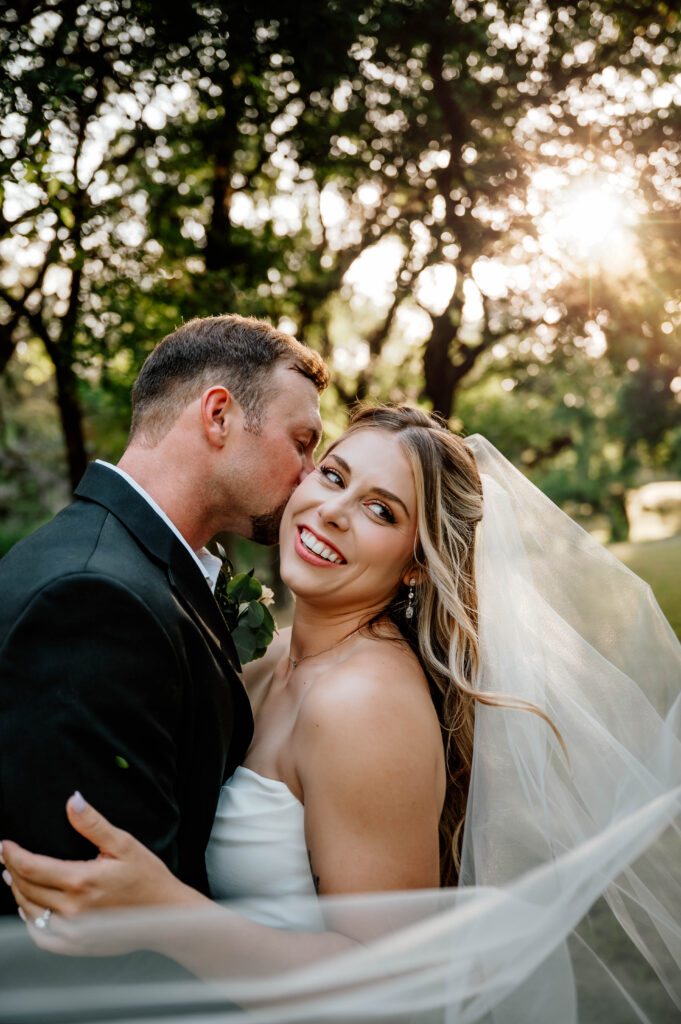
Fall light is warm. Golden. Rich. The sun sits lower in the sky, so you get this gorgeous directional light across the whole afternoon; not just during golden hour, but for a wider window of the day. Fall galleries tend to feel cinematic and emotional with amber tones, deep shadows, and images that look like they belong in a movie.
Neither is better. They are genuinely different aesthetics.
And here’s the thing: once you understand that, the question changes. You’re not asking “which season has better weather.” You’re asking: when I look at these photos in thirty years, what do I want to feel?
What spring actually looks like in the Hill Country
If you’re getting married anywhere in Central Texas between mid-March and late April, you’re working with one of the most naturally beautiful backdrops on the planet.
The bluebonnets are out. Indian paintbrushes too, mixed with evening primrose and whatever else the season decided to show up with. The Colorado River is running. Everything is green in a way it won’t be again until next year.
Golden hour in spring hits late. We’re talking 7:30 to 8pm depending on where we are in the season. That’s actually a gift for timelines. It means your ceremony, your dinner, your first dances all happen with daylight still available, and we get to end the portrait session with that soft, fading evening light that makes everything feel like it’s glowing.
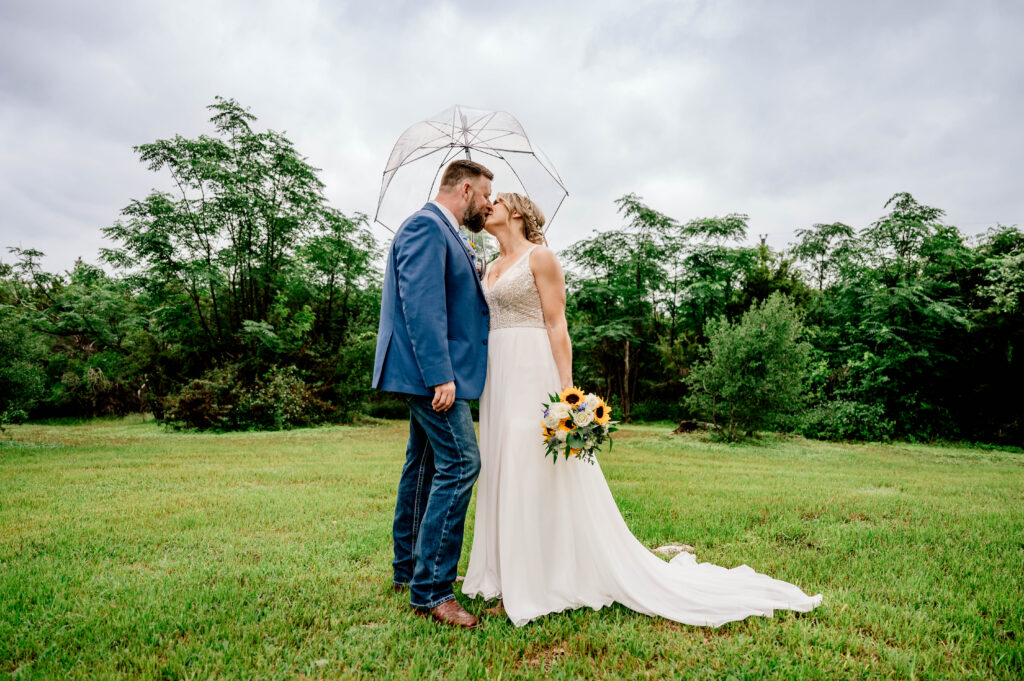
Overcast spring days? Honestly some of my favorite conditions to shoot. The light is even, flattering, and it makes your florals pop in a way that direct sun never quite does.
But I have to be straight with you about two things.
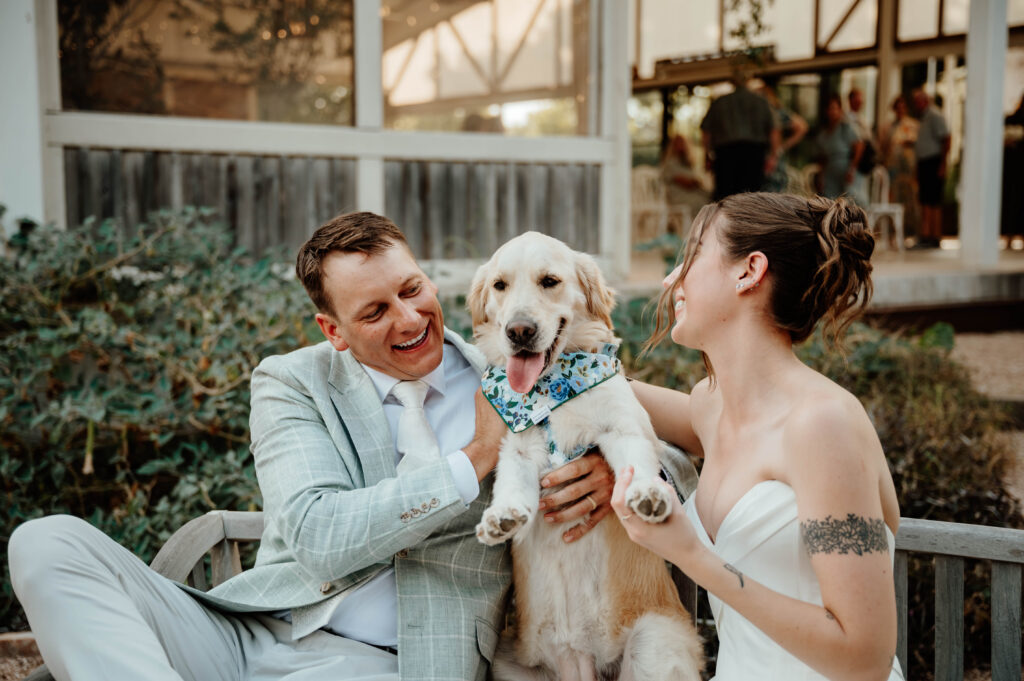
The bluebonnet conversation nobody’s having
A lot of couples choose April specifically because they want bluebonnets. I totally get it. They’re stunning. They’re Texas.
But here’s what you need to know before you build your vision around them: bluebonnets are not guaranteed.
Bloom intensity depends entirely on the previous fall and winter rainfall. A dry winter means a sparse spring. I’ve seen April in the Hill Country absolutely carpeted in blue and I’ve seen April where you’d drive twenty minutes to find a decent patch. The wildflowers don’t check your wedding date.
This doesn’t mean don’t plan a spring wedding. It means: don’t let the bluebonnets be the whole reason. If the wildflowers show up, amazing. Build them into your portraits. If they don’t, your spring wedding is still going to be beautiful, because spring light is still spring light regardless of what’s blooming underneath it.
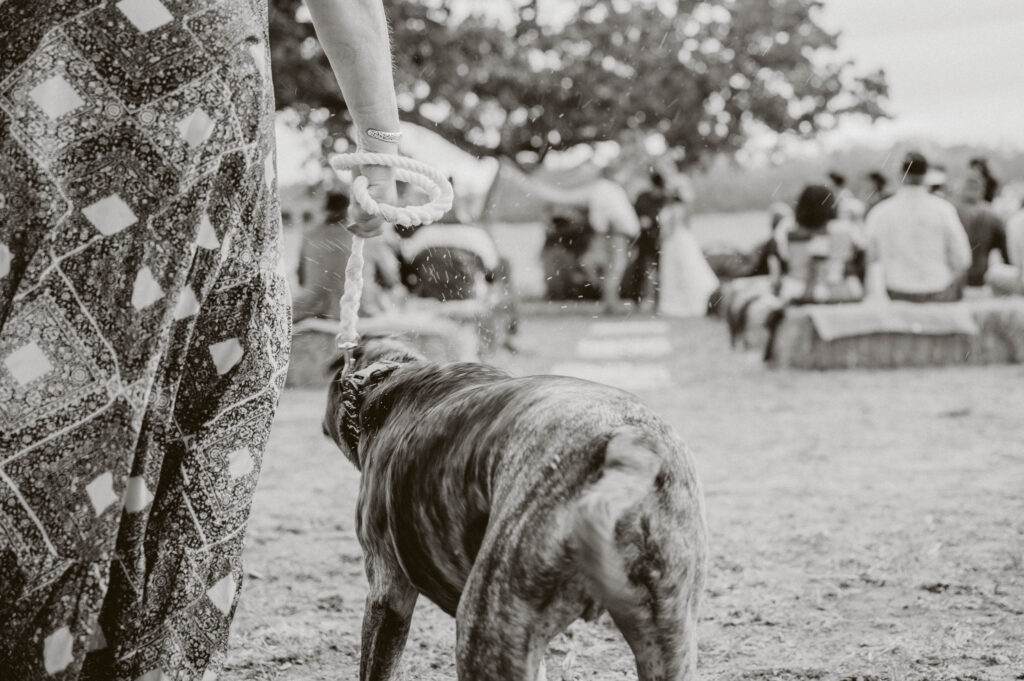
The spring weather reality (no sugarcoating)
Texas spring storms are not a small thing.
I’m talking hail. Wind. Severe thunderstorms that roll in from nowhere at 3pm on a day that started perfectly sunny. And yes, tornadoes are a real part of the Central Texas spring. Not every spring, not every week, but they’re real, and they’re not something you can schedule around.
This doesn’t mean a spring wedding is a bad idea. It means you need a contingency plan. A clear rain backup. A venue that has options. A coordinator who has dealt with it before. If you have those things, a spring storm becomes a manageable inconvenience instead of a catastrophe.
Fall couples sometimes skip this planning because October is reliably calm. Spring couples who skip it are taking a real risk.
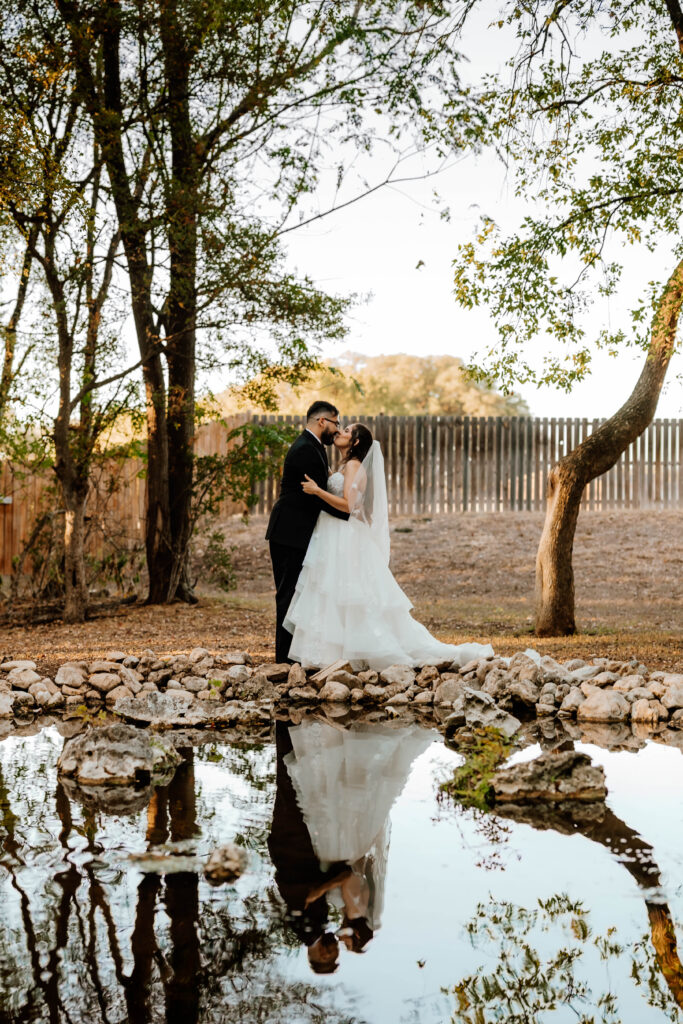
What fall actually looks like in the Hill Country
Fall in Texas is not Vermont. I say that with love. You’re not getting blazing red maples and dramatic foliage shows.
What you are getting: golden grasses. Warm-toned oaks that shift from green to amber. A sky that goes from deep blue to orange to pink faster than almost any other season. And air that has finally, finally released the summer humidity.
October in the Hill Country is reliably in the low-to-mid 70s. Humidity drops to somewhere between 50 and 70 percent — which sounds high until you’ve been here in August. Your guests will be comfortable. Your photographer will be comfortable. The light will cooperate.
Fall golden hour is genuinely magical here. But, and this is something I bring up in every fall timeline conversation I have, it arrives early.
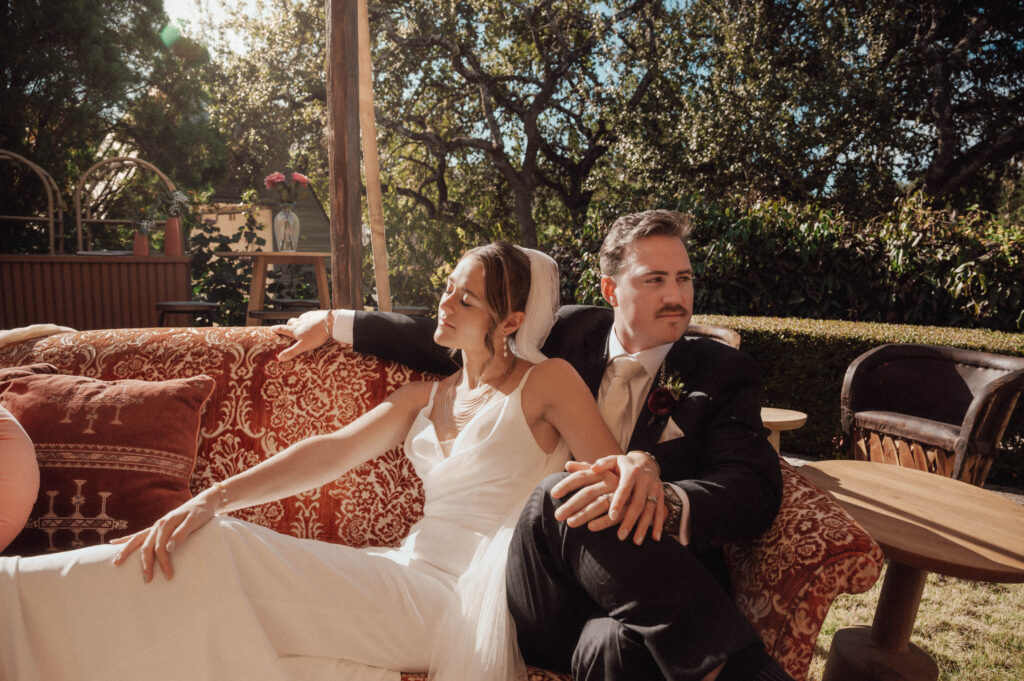
The golden hour timing shift most couples don’t know about
In April, golden hour is around 7:30 to 8pm. In October, it’s 5:30 to 6:30pm.
That’s a two-hour difference. And it ripples through your entire day.
For fall weddings, this means we need to plan your portrait session to happen right as cocktail hour wraps, which is actually beautiful timing and tends to produce some of the most stunning images of the day. But it also means your dinner start time shifts, which affects toasts, which affects your first dances, which affects what time you’re done for the night.
None of this is a problem. It’s just something to build into the timeline early, before your venue has already locked in a 6:30pm dinner start and we’re trying to figure out where 45 minutes of golden hour portraits fits.
If you’re getting married in fall, bring this up the first time you talk timelines. It changes the math.
“So which one is cheaper?”
Neither.
I know that’s not what you wanted to hear. But spring and fall are both peak seasons in Texas. Venues price accordingly. Photographers are booked. Florists are booked. The people who told you “spring is cheaper than fall” or vice versa were probably guessing.
If budget is genuinely driving your season choice, the better levers to pull are:
- Day of the week: Friday and Sunday weddings can save 8–10% vs. Saturday. Weekdays more.
- Month: January and February are the actual off-peak months in Texas — you can see real discounts from vendors who’d rather work than sit idle.
- Guest count: Nothing moves the budget needle like cutting 20 people from the list.
Choosing spring over fall, or vice versa, to save money is not going to move your budget in any meaningful way.
The actual question to ask yourself
Here’s what I’d encourage you to do instead of Googling “spring vs fall Texas wedding.”
Pull up your Pinterest board. Or your saved Instagram posts. Or just close your eyes and picture the photos you’ve imagined having from this day.
Do they feel bright and airy? Soft light, flowers everywhere, that fresh romantic quality?
Or do they feel warm and golden? Rich tones, cinematic depth, that glowing amber feel?
One of those descriptions is going to resonate more. That’s your season.
The weather is manageable in both. The cost is comparable in both. The booking timeline is similar in both. What isn’t interchangeable is the light, and the light is what your photos are made of.
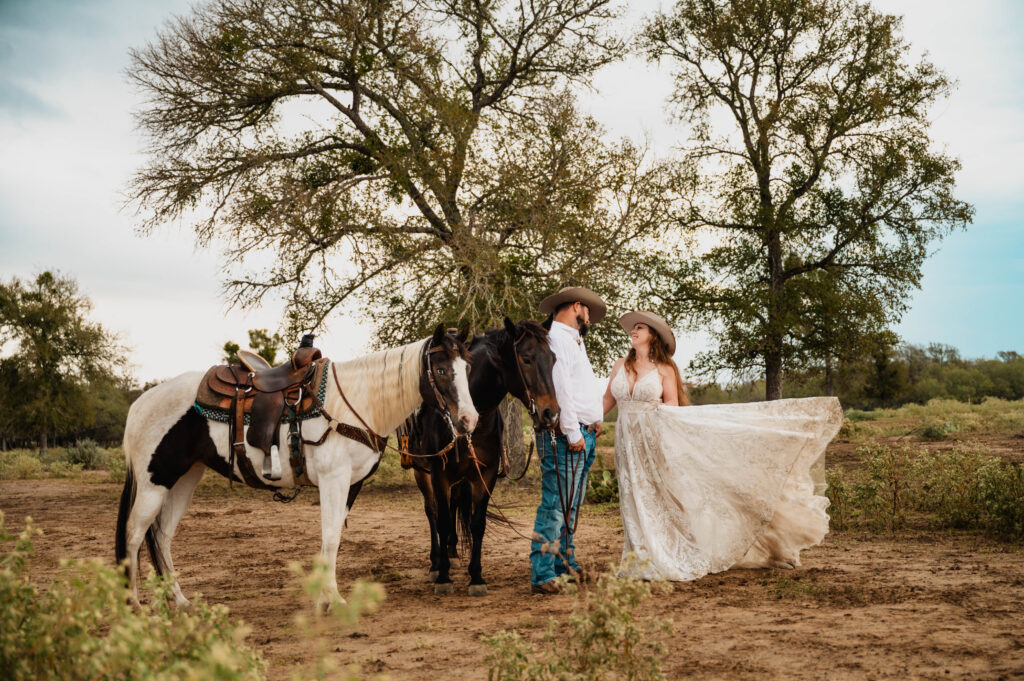
I’ve shot weddings in cold January fog and in August heat that made the air visible. Spring and fall are both genuinely wonderful to work in, and I will always find the best light I can find on whatever day you choose.
But I want you to choose your day on purpose. Not because your venue had October availability, not because you heard fall was “safer,” and not because you’re crossing your fingers for bluebonnets.
Choose the aesthetic. The weather will work itself out around it.
